Ganga Music in Morocco: Rhythm, Ritual, and Collective Memory
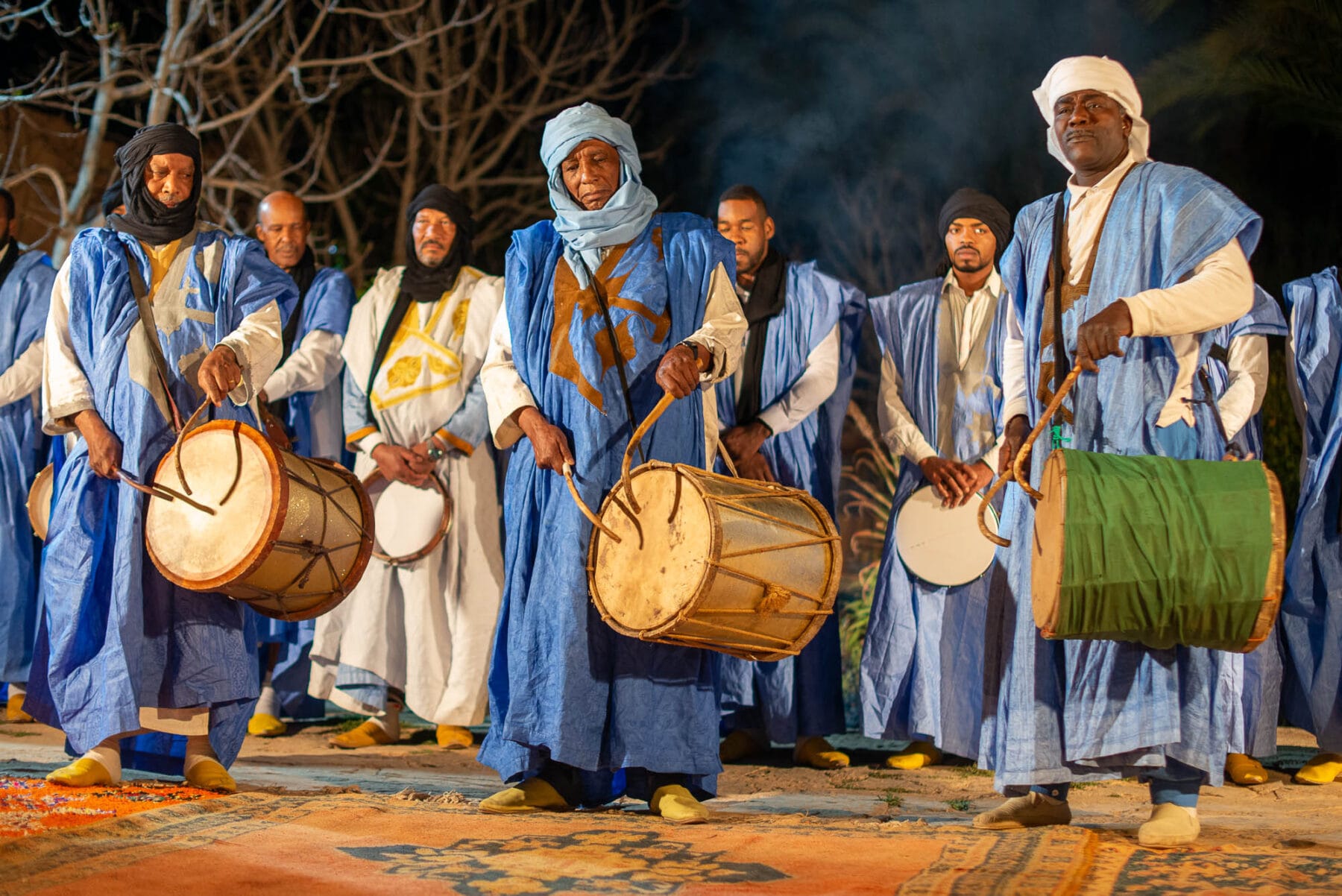
Ganga music—sometimes written “Ganga,” “Ganga’a,” or “El-Ganga”—is one of Morocco’s most powerful communal musical traditions. Rooted in southern Morocco (especially Guelmim, Assa, Tantan, Zagora, Tata, and parts of the Saharan regions), Ganga is a ritual percussion practice that blends history, spirituality, and collective identity.
While often associated with the wider Gnawa and sub-Saharan diasporic heritage, Ganga is distinct: it is heavier, more forceful, and deeply tied to tribal celebrations, social solidarity, and the memory of Black communities in Morocco’s south.
Origin and Cultural Context
Ganga emerged from communities with Saharan, Sahelian, and sub-Saharan roots—including descendants of enslaved Africans, Haratine groups, and Black tribal communities in the Souss-Massa and Guelmim-Oued Noun regions.
Although not a “religious” genre in a strict sense, it carries ritual significance: the music is used for healing, communal unity, life-cycle ceremonies, and collective remembrance.
Historically, Ganga is performed during:
- Ashura (10th day of Muharram)
- Harvest celebrations
- Weddings and major family events
- Tribal gatherings and oases festivals
- Healing rituals and nights of trance
Its emotional power comes from its call-and-response singing and intense polyrhythmic drumming, which can last for hours.
Instruments and Sonic Structure
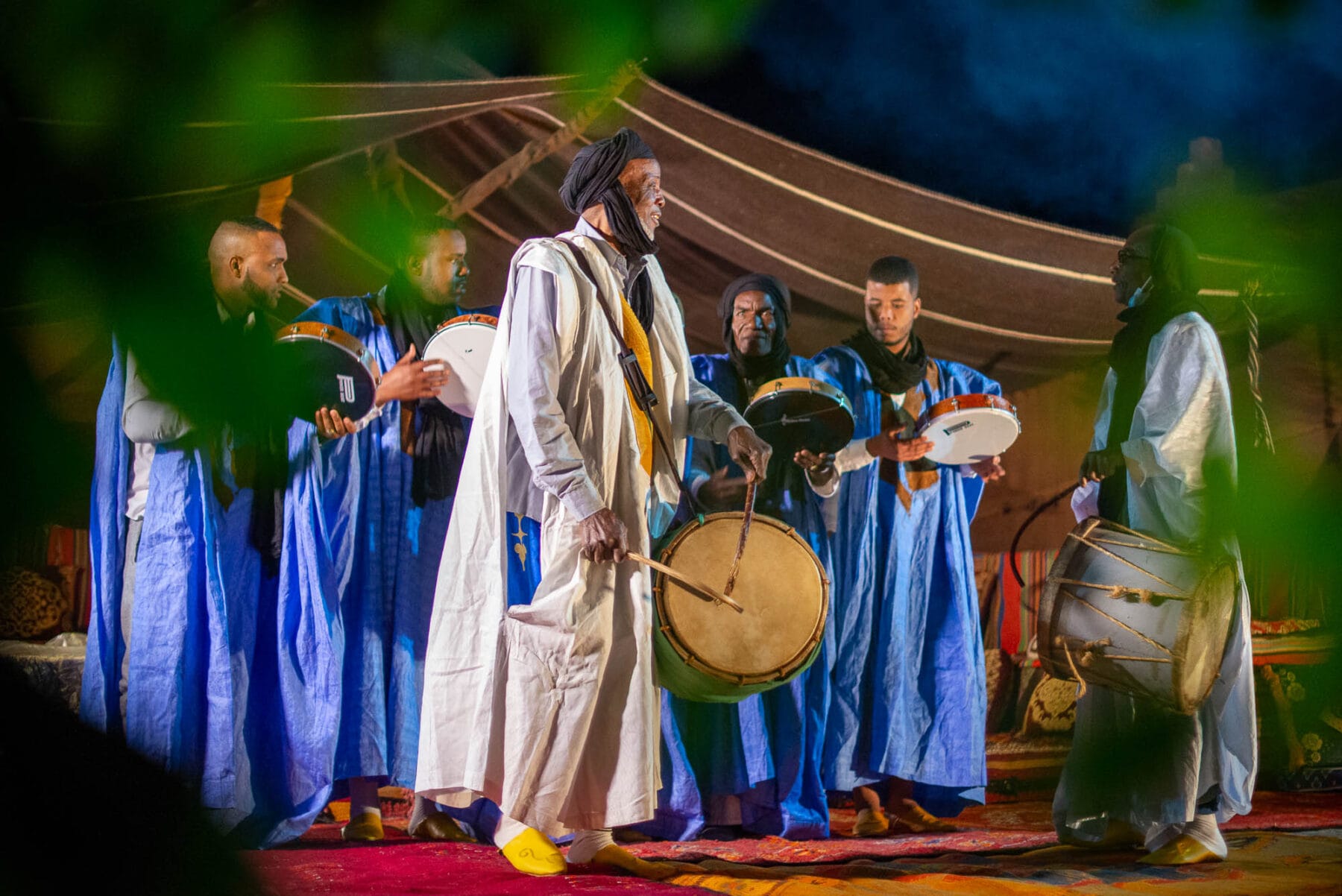
Ganga performances rely on a small but mighty ensemble, usually composed of:
1. Tbol Ganga (Large Bass Drum)
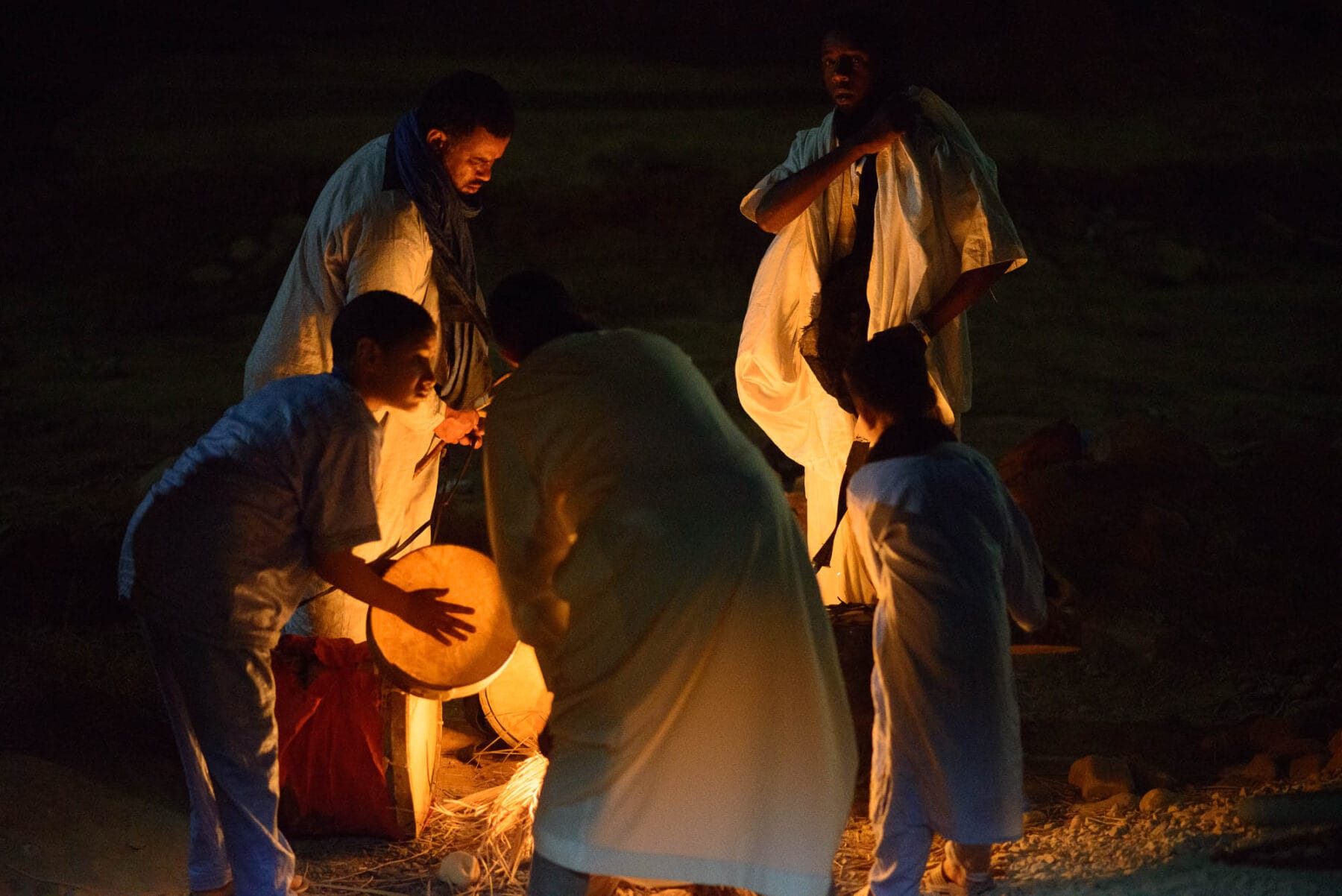
A massive drum made of wood and cured animal skin. Played with heavy sticks, it produces a deep, vibrating pulse that drives the entire ensemble.
2. Taarija or Krakeb-like metal clappers
Depending on the region, performers add metal idiophones that add sharp, syncopated accents.
3. Voices (group chanting)
Ganga is collective: the strongest musical element is the group itself.
Call-and-response vocals create rising waves of energy, often accompanied by:
- ululations (zagharit)
- breath-driven chants
- rhythmic stamping and coordinated body movement
The structure typically builds from slow, circular rhythms into rapid, trance-inducing patterns.
Performance: Movement, Power, and Trance
Performances often take place in a circle, symbolizing cohesion and equality. Within this circle:
- Drummers lead with powerful downbeats
- Singers rotate leadership in call-and-response
- Participants sway, step, or enter trance states (“jedba”)
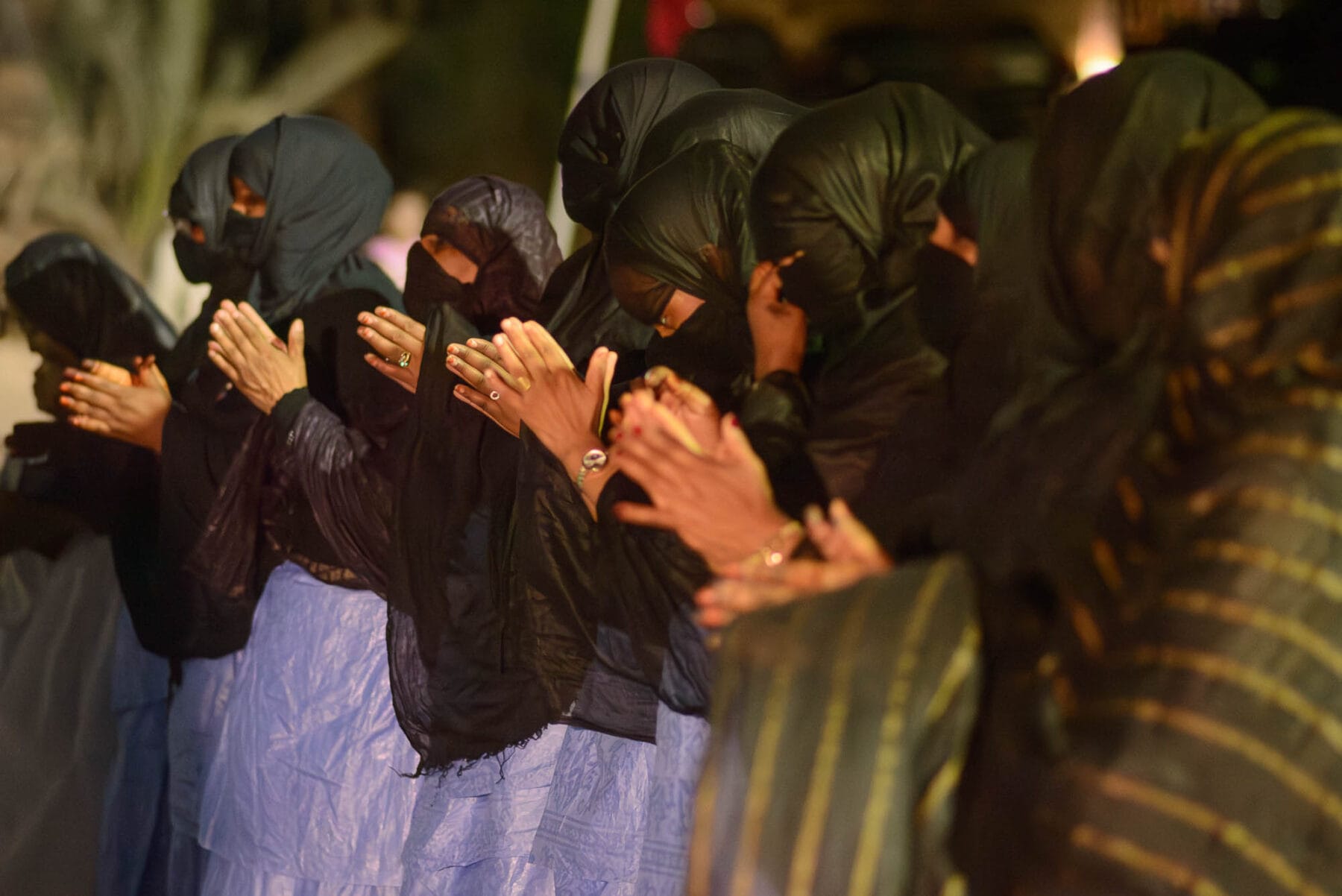
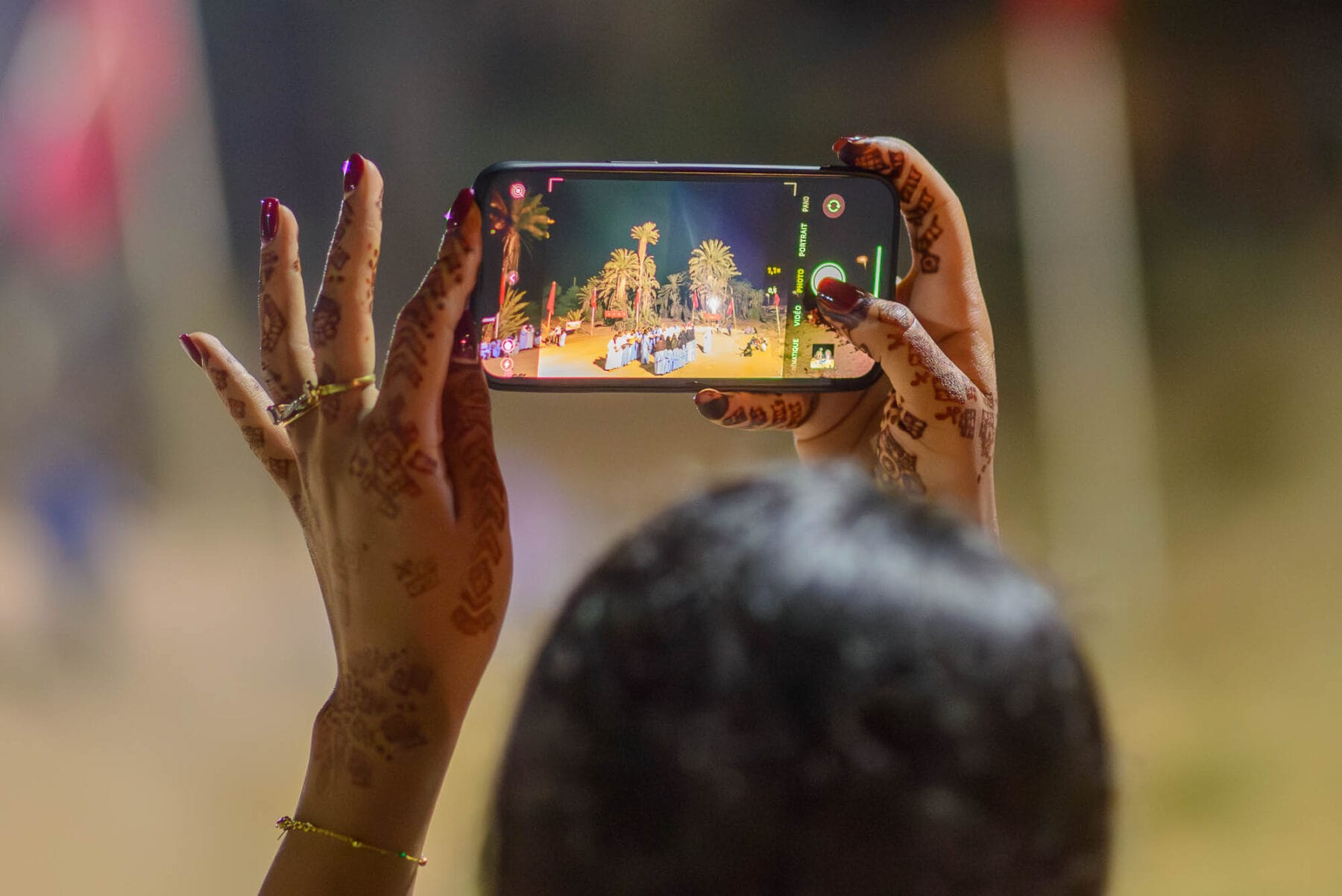
- Spectators clap, chant, or join the circle
Women play an important role—leading chants, initiating trance, and maintaining the emotional tone.
The experience is visceral: dust rising from the ground, echoed beats bouncing between adobe walls or palm groves, and the booming tbols felt in the chest.
Ganga, Identity, and Memory
Ganga carries layers of cultural memory, including:
- Africa–Sahara trade routes
- Sub-Saharan cultural retention
- Community resilience
- Shared spirituality
- Hybrid Moroccan–Saharan identities
In cities like Guelmim (the “Gateway to the Sahara”), Ganga remains an important marker of Black Moroccan heritage, performed proudly during regional festivals and public celebrations.
Many young Moroccans are reviving Ganga today, forming ensembles that blend it with hip-hop, fusion, and modern Gnawa, while elders maintain the traditional ritual form.
Modern Revival and Documentation
Efforts to preserve Ganga include:
- Local cultural associations
- Research by Moroccan anthropologists
- Music festival showcases (Guelmim, Tantan, and Zagora)
- Social media recordings
- Collaborations with Gnawa and world-music artists
Though less globally known than Gnawa, Ganga is gaining recognition as a distinct and vital musical tradition of Morocco’s south.
Conclusion
Ganga music is more than drumming—it is memory, identity, and collective expression.
In the rhythmic power of the tbol and the unified chanting of performers, one hears:
- the history of the Sahara
- the resilience of southern communities
- the cultural bridges between Morocco and sub-Saharan Africa
As modern artists reinterpret it and communities continue to keep it alive, Ganga remains one of Morocco’s most authentic, emotionally charged, and historically rich musical forms.